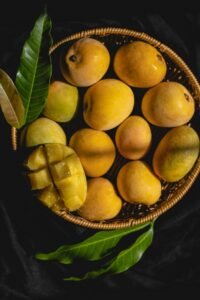
Some names carry the weight of a place, a people, and a purpose all at once. Kokan Samrat— meaning Emperor of the Konkan — is one of those names. It belongs, simultaneously, to a remarkable chapter in Indian horticultural science, to the sun-drenched laterite hillsides of the Konkan coast, and to a brand built on the conviction that the finest produce from this extraordinary region deserves to reach the world with full authenticity, full transparency, and full pride. This is the story of how a name became a legacy — and why everything it stands for matters more than ever.
The Konkan: A Land That Produces Royalty
Before the name Kokan Samrat can be understood, the land it emerges from must be. The Konkan coast of Maharashtra — a narrow, breathtaking strip of territory between the Western Ghats and the Arabian Sea — is one of the most agriculturally distinctive micro-regions on earth. Its laterite-red soils, enriched by millennia of organic matter and naturally excellent drainage, create the precise chemical environment that gives Alphonso mangoes their celebrated saffron color, buttery texture, and concentrated sweetness. The coastal breeze — carrying salt-laden moisture from the Arabian Sea — moderates temperatures through the critical flowering and fruit development phases, preventing the heat stress that diminishes quality in inland varieties.
This is the land that produces the GI-certified Ratnagiri Alphonso — a mango so tied to its terroir that the Indian government has formally recognized the geographic origin as inseparable from the fruit’s quality. It is from this land — and from the deep respect for its agricultural heritage — that Kokan Samrat draws its name, its mission, and its identity.
The Mango Variety: Born in a Laboratory, Perfected by the Konkan
In 1997, scientists at the Regional Fruit Research Station (RFRS) at Vengurla, Sindhudurg — operating under Dapoli Agriculture University — began a crossbreeding experiment that would take 17 years to reach completion. Their goal was ambitious: to develop a hybrid mango variety that retained the Alphonso’s legendary sweetness and flavor while overcoming its critical commercial vulnerabilities — susceptibility to spongy tissue disease, alternate-year bearing, sensitivity to heat stress, and limited shelf life.
The result of this years-long scientific endeavor was Konkan Samrat — a hybrid born from two very different parents: the Alphonso (Hapus), India’s most celebrated mango variety, and Tommy Atkins, the robust Mexican variety that dominates American and European export markets. The combination was strategically brilliant: Alphonso contributed its extraordinary flavor and aromatic profile; Tommy Atkins contributed its structural resilience, extended shelf life, and climate adaptability.
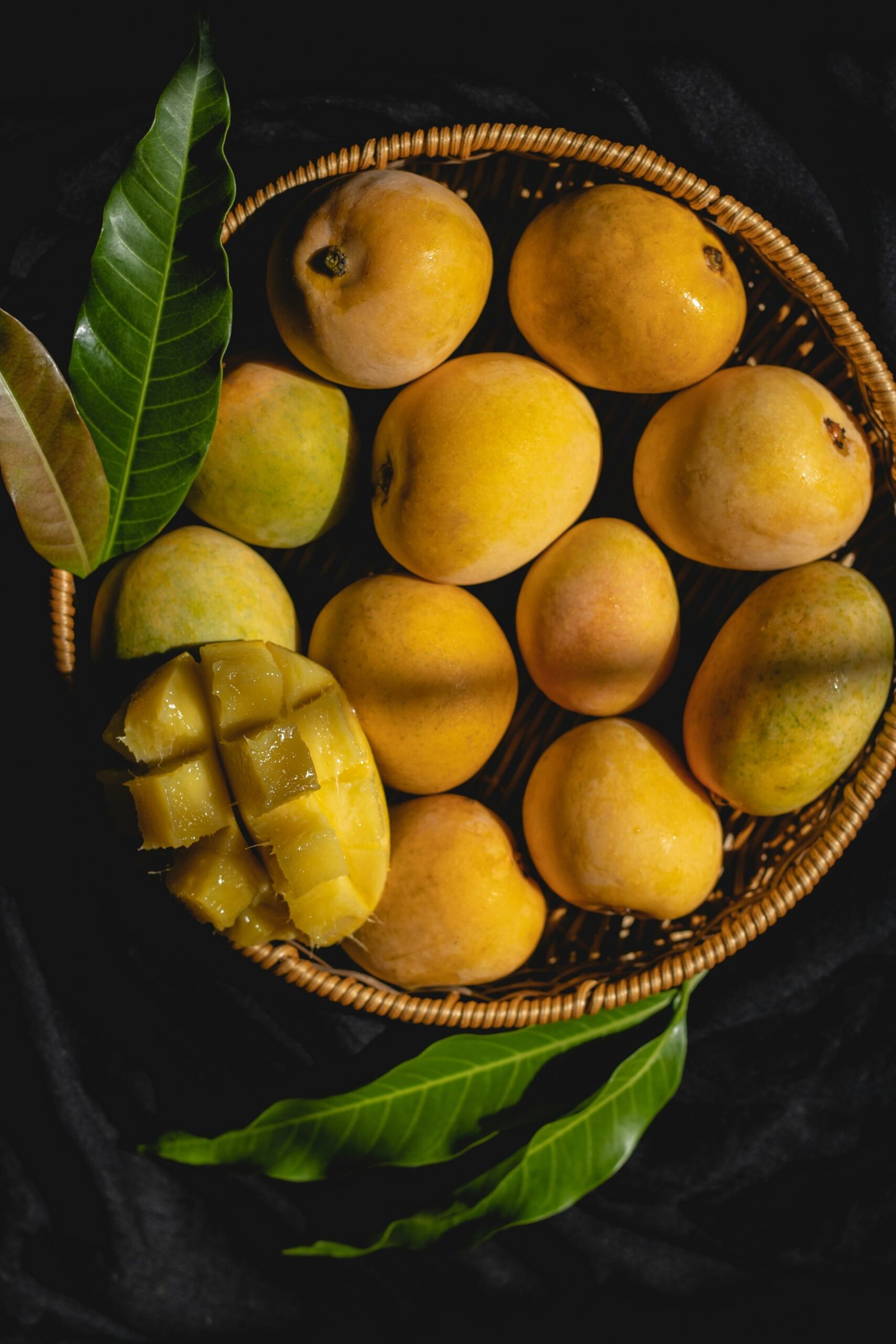
The Konkan Samrat mango that emerged from this cross is a fruit of exceptional commercial and culinary merit. It is sweeter and richer in color than either parent. Its fruits are larger — averaging 480 grams, heavier than the standard Alphonso. Critically, it is a regular-bearing variety, producing fruit every year rather than the alternate-year cycle that makes Alphonso farming economically challenging for smallholder farmers. Its shelf life after ripening extends to a documented 13 days — nearly double the standard 6–7 day Alphonso window — a transformation that fundamentally expands its export viability.
Perhaps most significantly, Konkan Samrat does not develop spongy tissue — the invisible internal disorder that causes premium Alphonso mangoes to feel ripe externally while harboring damaged, flavorless flesh internally, one of the most frustrating quality failures in Alphonso cultivation. The Maharashtra Council of Agriculture Extension and Research officially cleared the variety for release in 2015, and the Maharashtra government’s agriculture department committed to actively promoting it — recognition that this was not merely a laboratory achievement but a genuine agricultural breakthrough with real-world economic consequences for Konkan farmers.
The Brand: A Promise Written in the Language of the Konkan
Against this backdrop of extraordinary geography and agricultural science, Kokan Samrat as a brand represents something that India’s premium mango market has long needed: a bridge between the farmer’s orchard and the consumer’s table — built on transparency, authenticity, and an uncompromising commitment to chemical-free cultivation.
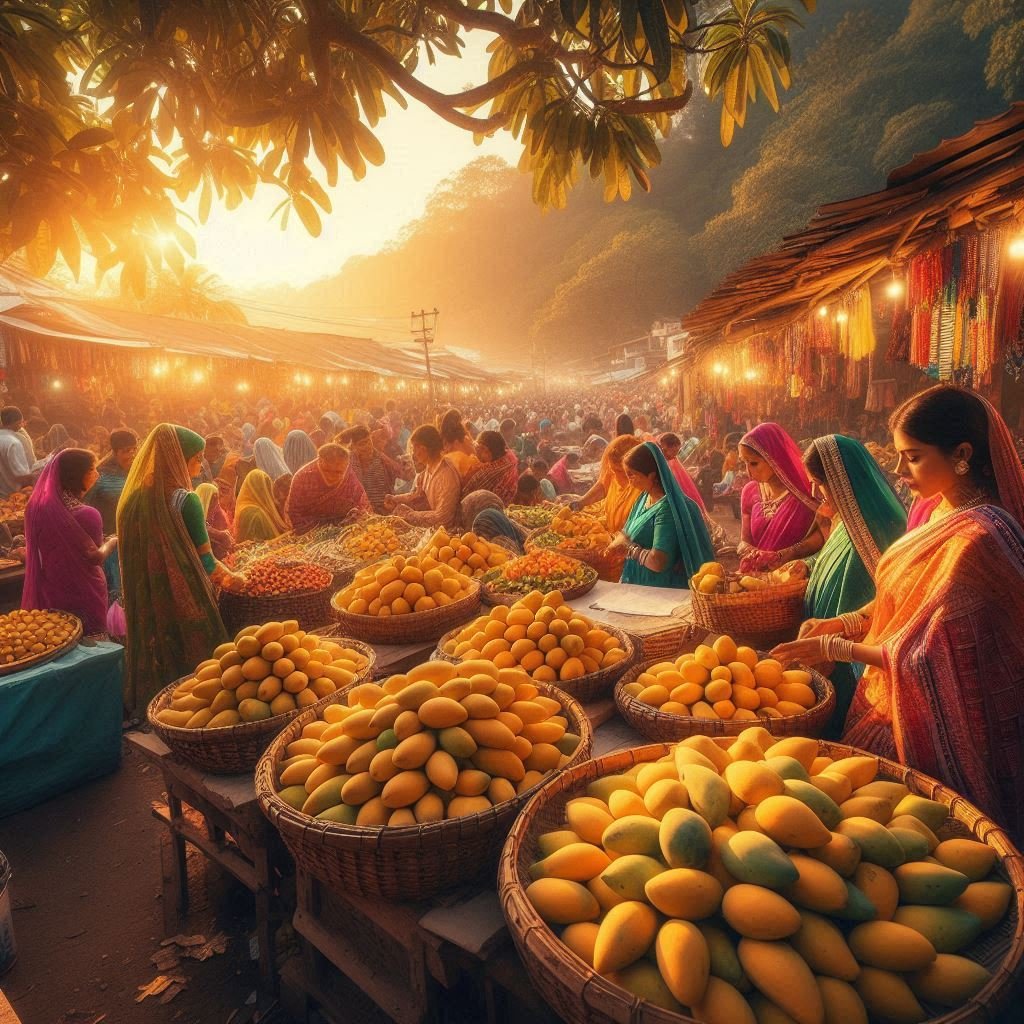
The brand’s journey, which celebrates five years of connecting Konkan farms to customers across India, was founded on a single, clear conviction: that the world-famous Alphonso mango of Ratnagiri deserves to be delivered exactly as nature and the farmer intended — not ripened with calcium carbide, not harvested prematurely for logistics convenience, not stripped of the provenance story that makes it genuinely valuable. Kokan Samrat’s operating philosophy is anchored in organic cultivation practices, natural ripening methods, and direct farm-to-consumer supply chains that eliminate the intermediary adulteration that has long plagued India’s premium mango trade.
Every mango that leaves a Kokan Samrat orchard carries the weight of that promise — a promise backed by the GI-tagged provenance of Ratnagiri’s laterite soil, the seasonal expertise of farmers who have cultivated these orchards across generations, and a brand identity that treats the mango not as a commodity but as a cultural artifact worthy of the name it bears.
The Significance of the Name Itself
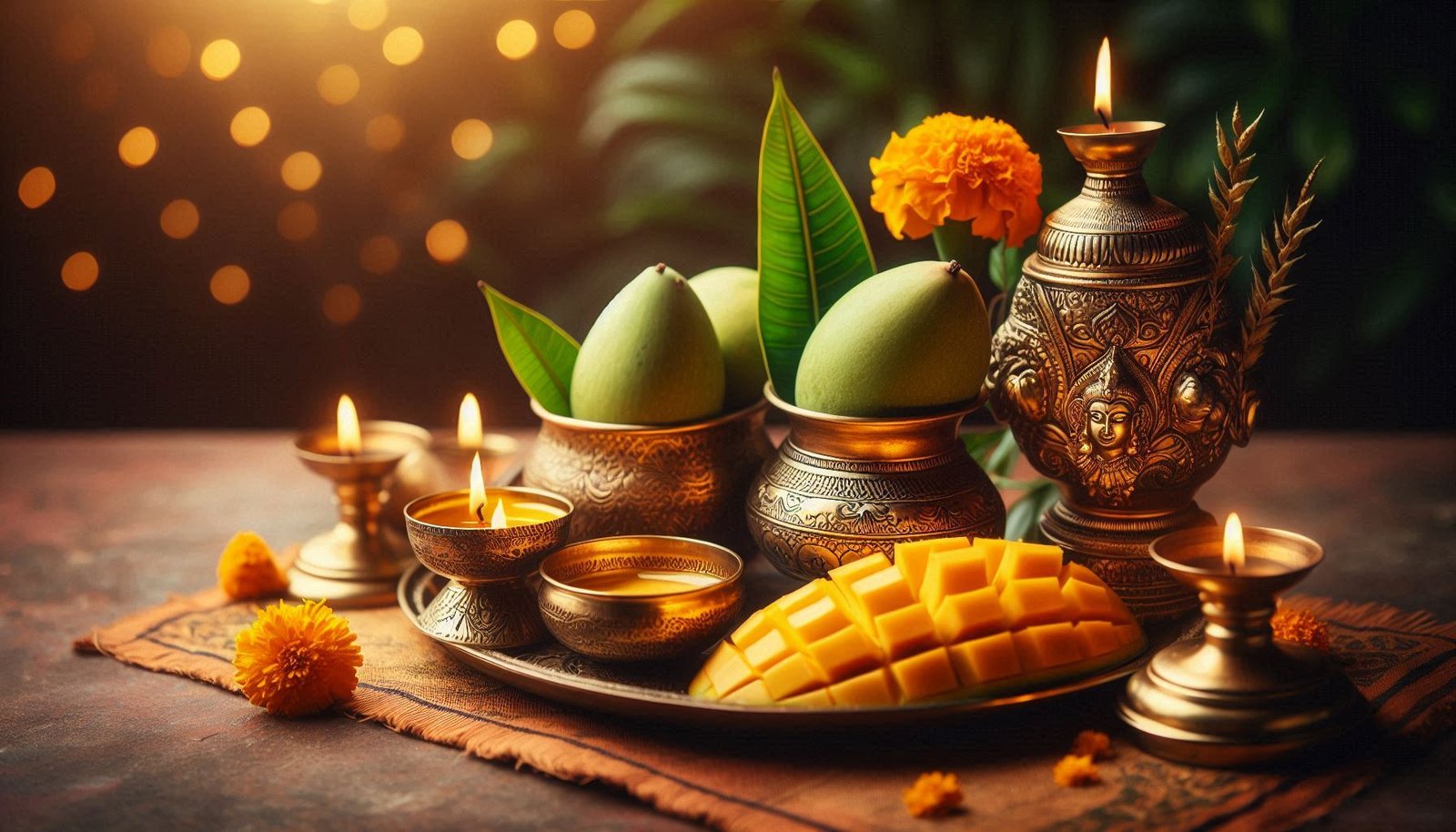
Samrat — Emperor — is not a title chosen lightly in Indian cultural tradition. It denotes not merely dominance but legitimacy, stewardship, and the responsibility of greatness. In ancient Sanskrit political philosophy, the Samrat was not the ruler who seized power by force but the one whose authority was recognized by all because it was exercised with wisdom, restraint, and genuine care for the people under its protection.
To name a mango variety — and a brand — Kokan Samrat is to make an implicit claim: that this is not just the most flavorful mango, but the most authentic, the most responsibly cultivated, and the most worthy of trust. It is a name that carries obligation as much as pride — the obligation to ensure that every fruit delivered under this name genuinely lives up to the extraordinary land, the rigorous science, and the farming families whose labor makes it possible.
Why Kokan Samrat Matters in 2026 and Beyond
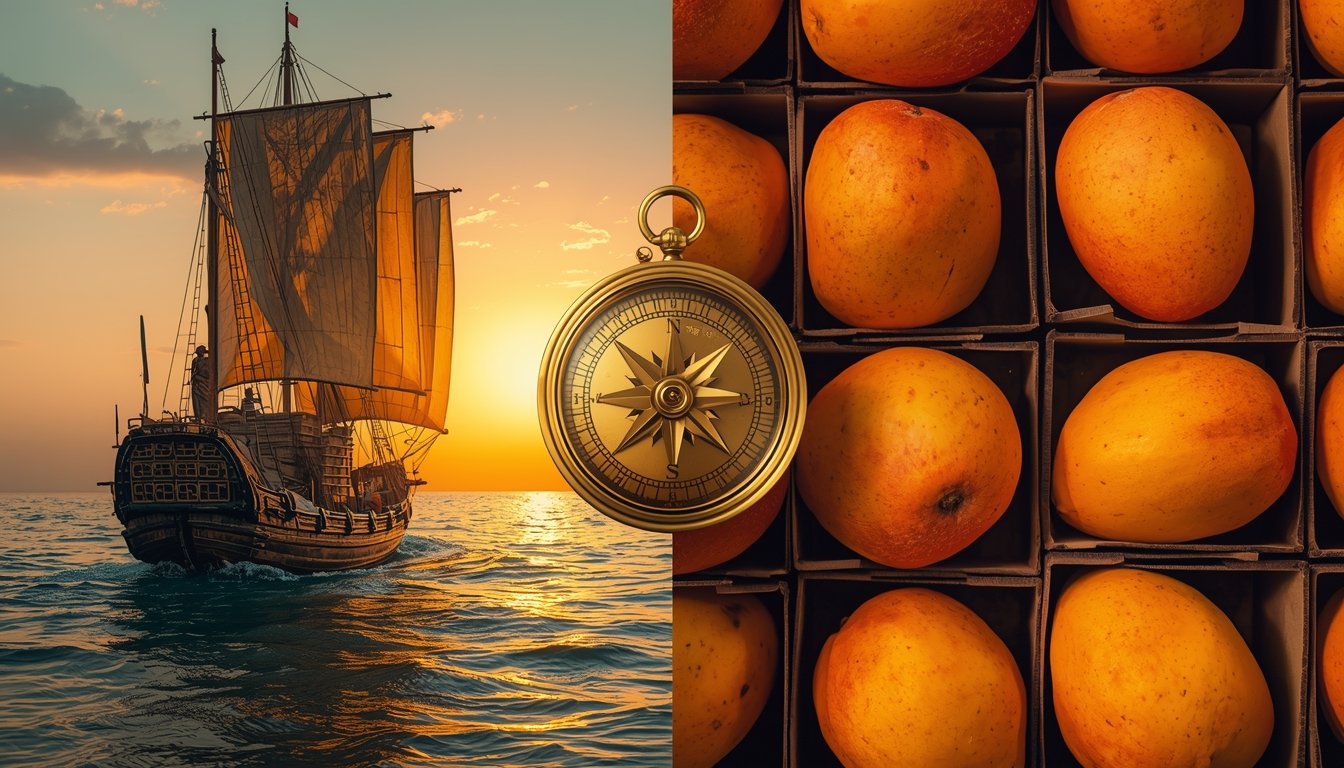
India’s mango export industry is at an inflection point. Global demand for authentic, traceable, GI-certified Indian mangoes is surging — exports reached USD 60.14 million in 2023–24 and are projected to grow at over 6.5% CAGR through 2030. International buyers — from premium London supermarkets to New York specialty grocers — are becoming increasingly sophisticated about provenance, organic certification, and supply chain transparency.
In this environment, brands and varieties that can deliver authentic Konkan quality with documented traceability, chemical-free cultivation, and consistent premium standards are not merely commercially advantaged — they are the future of Indian mango trade. The Konkan Samrat mango variety’s year-on-year bearing, extended shelf life, and absence of spongy tissue make it uniquely suited for export market demands that the traditional Alphonso, despite its unmatched flavor, struggles to consistently meet.
And the Kokan Samrat brand — with its direct farmer relationships, its commitment to organic practices, and its five-year record of delivering the Konkan’s finest produce to consumers who value what they are eating — represents the model of mango commerce that India’s agriculture needs more of: rooted in the land, honest about its produce, and ambitious for the world.
An Emperor Earned, Not Proclaimed
The story behind Kokan Samrat is ultimately a story about deserving the name you carry. A mango variety that took 17 years of scientific dedication to develop, emerging from the cross of two great parents to produce something greater than either. A brand that chose the most demanding possible standard — organic cultivation, natural ripening, full provenance transparency — and built its reputation one honest delivery at a time. A region whose agricultural identity is so distinctive that the Indian government has formally protected it from imitation.
The title of Samrat — Emperor — is not self-proclaimed here. It is earned. Through the laterite soil that no other region can replicate, through the science that no shortcut could replace, through the farming families whose knowledge runs deeper than any laboratory, and through the brand that has spent five years proving that the Konkan’s greatest treasure deserves to be shared with the world — exactly as it is.