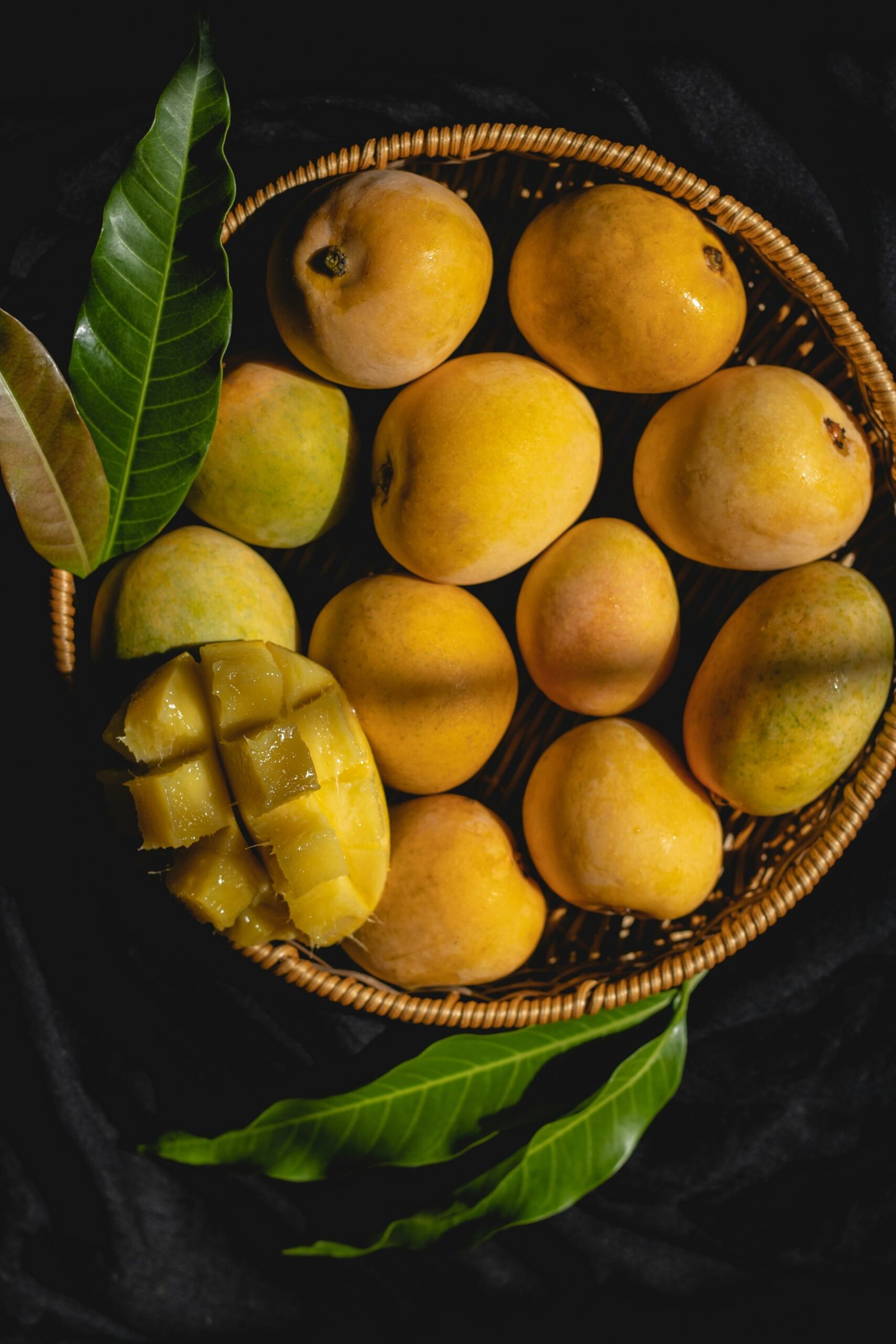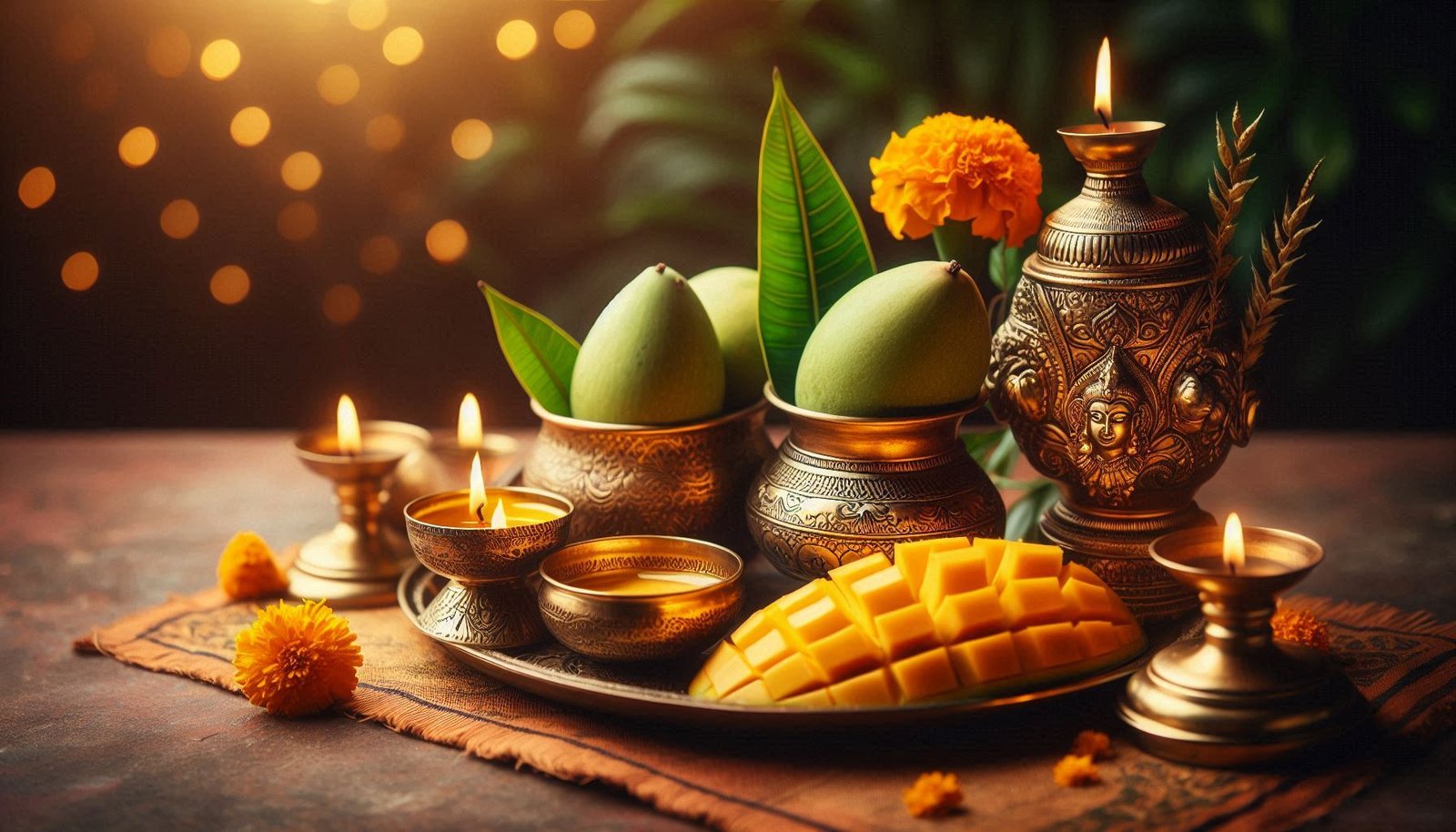
There are journeys you take for sightseeing, and then there are journeys you take for something deeper — for flavour, for culture, for the kind of experience that stays with you long after you’ve returned home. Traveling to Ratnagiri during mango season is exactly that kind of journey. Every year between March and June, this coastal Konkan district transforms into a fragrant, golden paradise where the legendary Alphonso mango — the Hapus — reigns supreme. If you’re planning a trip to Ratnagiri during mango season, this guide will help you make every moment count.
When Is Mango Season in Ratnagiri?
Timing your visit correctly is the single most important travel decision you’ll make. Ratnagiri’s Alphonso mango season typically runs from mid-March through late May, with peak availability hitting in April and early May. This is when orchards are bursting with ripe Hapus, local markets overflow with freshly harvested fruit, and the entire region hums with the energy of the harvest.
Arriving too early — in February — means the mangoes are still developing. Arriving after June means the season has wound down and you’ll miss the finest fruit. Plan your visit for April, and you’ll hit the sweet spot perfectly.
How to Reach Ratnagiri
Ratnagiri is well-connected and more accessible than many travellers realise.
- By Train: The Konkan Railway is the most scenic and popular route. Direct trains from Mumbai, Pune, and Goa stop at Ratnagiri station, with journey times ranging from 5 to 7 hours from Mumbai. Book well in advance — trains fill up quickly during mango season
- By Road: The Mumbai-Goa Highway (NH-66) passes through Ratnagiri. A road trip from Mumbai takes approximately 5–6 hours and offers stunning coastal views along the way. Private taxis and state buses are both available
- By Air: The nearest functional airport is in Goa (Dabolim) for southern approach, though Mumbai airport remains the most practical hub for most travellers heading to Ratnagiri
Where to Stay in Ratnagiri
Accommodation options in Ratnagiri range from comfortable budget guesthouses to boutique homestays that place you right in the heart of mango country.
- Orchard homestays are the most immersive option — many Alphonso farming families in villages like Devgad, Vengurla, and the Ratnagiri outskirts open their homes to guests during mango season, offering farm stays that include orchard walks, fresh mango breakfasts, and direct interaction with farmers
- Beach-facing hotels near Ganpatipule and Ratnagiri town offer comfort with coastal charm
- Budget guesthouses in Ratnagiri town are ideal for travellers who prefer exploring independently
Book your stay at least 4–6 weeks in advance during peak mango season. Farm homestays especially fill up fast, as they’re a sought-after experience for food tourists and travel bloggers.
Must-Do Experiences During Your Visit
A trip to Ratnagiri during mango season is about far more than just eating mangoes — though there will be plenty of that. Here’s what to add to your itinerary:
Visit a Working Mango Orchard
Many farms, including those operating under the Kokan Samrat brand, welcome visitors during harvest season. Walking through rows of laden Alphonso trees, breathing in the intoxicating aroma of ripe fruit, and watching the careful hand-picking process is a genuinely moving experience.
Attend a Local Mango Market
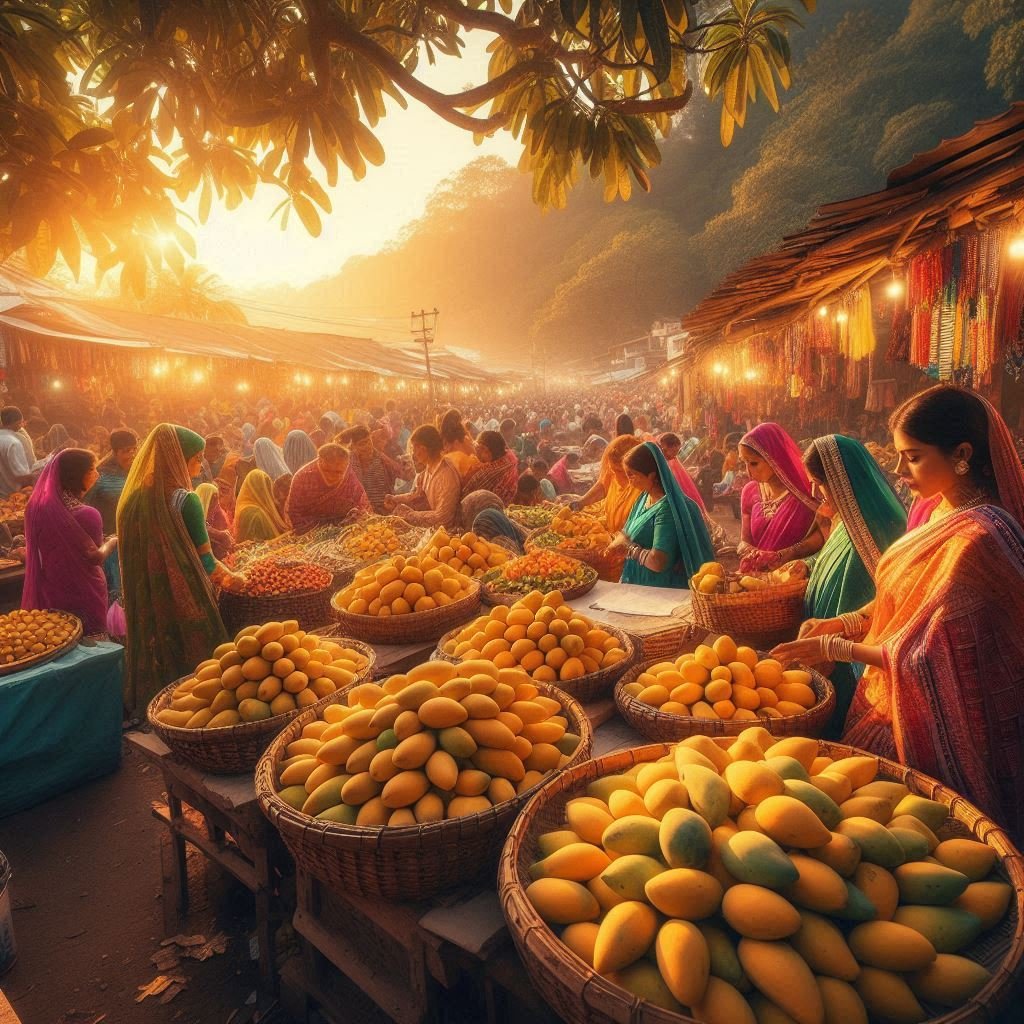
The early morning markets in Ratnagiri town and surrounding villages are a feast for the senses. Arrive by 7 AM to see farmers bringing in freshly harvested crates, negotiate directly for the best fruit, and taste varieties you simply cannot find in city supermarkets.
Try Authentic Malvani Cuisine
Ratnagiri’s food culture extends beyond mangoes. Malvani cuisine — featuring coconut-rich curries, fresh seafood, sol kadhi, and traditional rice dishes — is extraordinary. Pair a bowl of chilled aamras with puris at a local eatery for the most authentic Konkan food experience possible.
Explore Ratnagiri’s Coastal Heritage
Between orchard visits, explore the region’s rich history. Thiba Palace, Ratnadurg Fort, Bhagwati Fort, and the scenic Ganpatipule beach are all within easy reach. The combination of history, coastline, and mango culture makes Ratnagiri unlike any other destination in Maharashtra.
Participate in Mango Tasting Events
Several local cooperatives and agri-tourism operators organise guided mango tasting sessions during peak season — sampling multiple Alphonso grades alongside Kesar, Payri, and Ratnagiri-specific local varieties. These sessions are educational, delicious, and deeply memorable.
Smart Travel Tips for a Smooth Trip
A few practical considerations will make your Ratnagiri mango season trip seamless:
- Carry cash — many orchards, village markets, and farm stalls operate on cash only
- Dress for humidity — Ratnagiri in April and May is warm and humid; light cotton clothing is essential
- Start mornings early — the best orchard experiences and freshest market produce are available before 9 AM
- Negotiate respectfully — direct buying from farmers is encouraged, but fair pricing supports the very community you’ve come to experience
- Carry reusable bags — for mango purchases, markets, and general eco-conscious travel
- Avoid peak weekends — if possible, travel mid-week to avoid crowds at popular farms and beaches
Take Ratnagiri Home With You
No visit to Ratnagiri during mango season is complete without bringing some of it home. Most farms offer direct-purchase boxes of Alphonso mangoes packed carefully for transport. Several brands, including Kokan Samrat, also offer online delivery — so even after you’ve returned to the city, the taste of Ratnagiri can follow you.
Ratnagiri during mango season isn’t just a travel destination. It’s a sensory experience, a cultural immersion, and a reminder that the finest things in life are grown slowly, with care, in places rich with history and heart. Go once, and you’ll find yourself planning the return trip before you’ve even left.