Ask any mango connoisseur about India’s finest fruit, and one name rises above all others: Ratnagiri Alphonso. During the brief three-to-four-month season each summer, this golden treasure transforms into what locals call a “national obsession”. But what makes Ratnagiri mangoes stand apart from over 1,500 mango varieties cultivated across India ? The answer lies in a perfect storm of geography, tradition, and nature’s generosity.
The Konkan Advantage: Where Geography Meets Perfection
Ratnagiri’s supremacy begins with location. Nestled along Maharashtra’s 200-kilometer Konkan coastline, this district enjoys climatic conditions that cannot be replicated anywhere else in India. The Arabian Sea’s proximity creates a unique microclimate where saline sea breezes mingle with abundant monsoon rainfall and intense summer sunshine.
The secret weapon? Red laterite soil enriched with hydrated oxides of iron and manganese. This distinctive soil composition, combined with coastal weather patterns, produces the deep orange, pulpy, fiber-free flesh that defines authentic Ratnagiri Alphonso. Mango orchards within 30 kilometers of the coastline benefit most from this perfect balance of land and sea breezes, which regulate temperatures and create optimal growing conditions.
Even when Alphonso cuttings from Ratnagiri are planted in other Indian states or countries, the mangoes never quite match the original. The terroir—that untranslatable combination of soil, climate, and location—makes Ratnagiri irreplaceable.
Superior Characteristics That Define Excellence
What sets Ratnagiri Alphonso apart isn’t just origin—it’s measurable superiority across every quality metric.
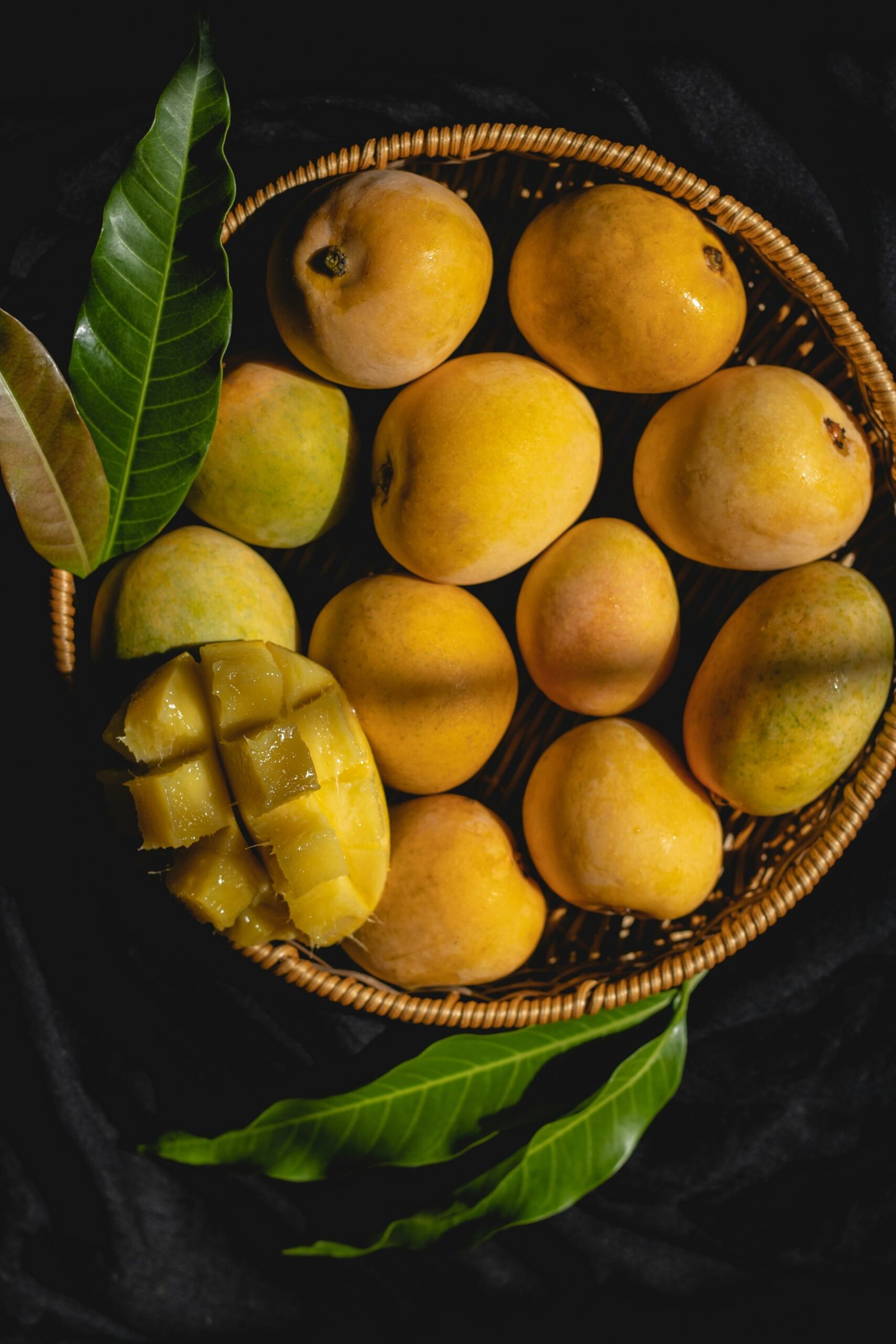
Appearance and Size: Each mango weighs between 200-300 grams, significantly larger than most Indian varieties. The fruit boasts stunning golden-yellow skin with a characteristic reddish blush, thin enough to peel by hand.
Texture: The flesh is exceptionally creamy, buttery smooth, and completely devoid of fibrous threads that plague many mango varieties. The consistency is firm yet velvety, melting effortlessly in your mouth. Even the seed is comparatively smaller, maximizing the amount of edible fruit.
Flavor Profile: Ratnagiri Alphonso delivers an intense, rich sweetness with subtle honey undertones and hints of apricot, citrus, melon, nectarine, and peach. This complex flavor profile creates what enthusiasts describe as “heavenly taste”—sweet yet balanced, never cloying.
Aroma: Perhaps most distinctive is the powerful fragrance. Just a few Ratnagiri mangoes can perfume an entire room with their intoxicating scent. This potent aroma comes from exceptionally high levels of myrcene, a natural terpenoid compound found in greater concentrations in Ratnagiri mangoes than any other variety.
Traditional Cultivation: The Organic Difference
Ratnagiri’s excellence isn’t accidental—it’s carefully cultivated through generations of traditional farming wisdom. Most Ratnagiri farmers practice organic cultivation methods that have been passed down through families for centuries.
Instead of chemical fertilizers, farmers use natural compost made from sliced grass, plant leaves, and cow dung mixtures. This organic approach not only produces healthier fruit but also preserves the authentic taste that has made Ratnagiri famous. The mangoes are naturally ripened using traditional methods—hay or rice straw—completely avoiding dangerous chemicals like calcium carbide.
Hand-harvesting is another crucial factor. Every Ratnagiri mango is carefully picked by hand to prevent bruising and preserve the fruit’s natural flavor. This labor-intensive process makes them more expensive but ensures premium quality worthy of their “King of Mangoes” title.
How Ratnagiri Compares to Other Indian Varieties
India produces numerous Alphonso mangoes, but Ratnagiri consistently outperforms all competitors. Even the friendly rivalry with neighboring Devgad—another Alphonso-producing region in the Konkan belt—highlights Ratnagiri’s distinctive qualities.
While Devgad mangoes have their devoted fans and boast exceptional qualities, Ratnagiri Alphonso typically offers slightly larger fruit, longer shelf life, and a more robust, balanced flavor profile. Ratnagiri mangoes have a subtly fragrant aroma compared to Devgad’s more potent scent, and a firmer, juicier texture that many prefer.
Other Indian varieties like Kesar, Langra, Banganapalli, and Totapuri each have merits, but none achieve the perfect balance of sweetness, aroma, texture, and appearance that Ratnagiri Alphonso delivers consistently.
Global Recognition and Premium Status
Ratnagiri Alphonso’s reputation extends far beyond India. It ranks among the most expensive mangoes in the world and is frequently exported to discerning international markets. The fruit earned a spot on the prestigious list of “1,000 foods to eat before you die”.
The Government of India recognizes Ratnagiri Alphonso’s unique status through Geographical Indication (GI) tag protection, ensuring that only mangoes grown in specific Konkan districts can legally carry the “Ratnagiri Alphonso” or “Ratnagiri Hapus” name. This protection safeguards consumers from inferior imitations and preserves the authentic legacy.
More Than Fruit: An Emotional Experience
For true mango lovers, Ratnagiri Alphonso transcends mere food—it becomes an emotion, a celebration of India’s fruit legacy. The brief season creates anticipation that builds throughout the year. When the first harvest arrives in April-May, it’s not just a fruit reaching markets; it’s summer’s golden promise fulfilled.
The experience of eating an authentic Ratnagiri Alphonso is sensory and complete: the weight in your hand, the intoxicating aroma, the smooth golden flesh, and finally, that incomparable taste that justifies every superlative ever bestowed upon it.
Conclusion
Ratnagiri mangoes aren’t considered India’s best by accident or marketing—they’ve earned this distinction through measurable superiority. The unique Konkan terroir, traditional organic farming, meticulous hand-harvesting, and centuries of cultivation expertise combine to create something truly exceptional. From the thinnest skin to the smallest seed, from the highest myrcene content to the perfect sweetness balance, every aspect of Ratnagiri Alphonso represents mango perfection. For those who’ve experienced authentic Ratnagiri Hapus, no other variety ever quite measures up. That’s not opinion—that’s the delicious truth of India’s undisputed mango champion.